
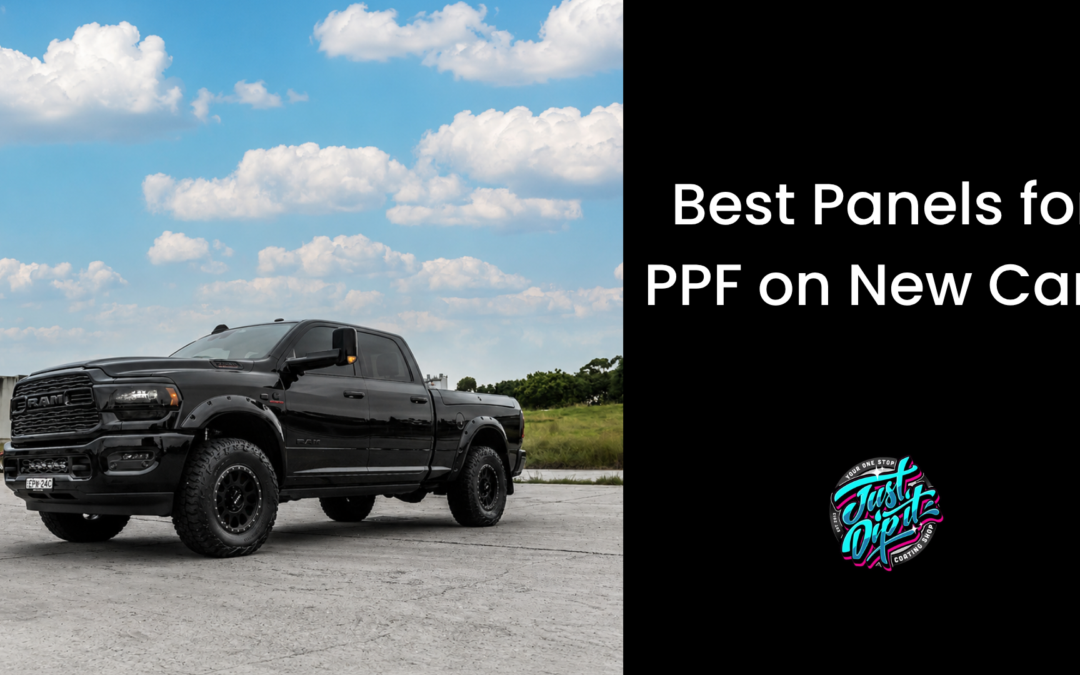
Best Panels for PPF: What to Protect First on a New Car
The best panels for PPF are the panels that take the first and hardest hits from Sydney roads. Your new car may still look untouched, but its front bumper, bonnet and guards are already facing loose stones, road debris, insects and grime every time it leaves the driveway.
Most owners want to protect that fresh factory finish without automatically committing to full-car coverage. That is a sensible position. You want enough protection to make a real difference, but you do not want to pay for film on low-risk panels simply because they appear on a standard package list. The smarter move is to protect the panels facing the greatest risk first.
Quick Answer: Which Panels Need PPF Most?
The panels that need PPF most are the front bumper, bonnet and front guards, followed by the mirrors and headlights. Side skirts, lower doors and rear-wheel impact areas become priorities for 4x4s, performance cars, wide-bodied vehicles and cars regularly driven on motorways, regional roads or loose surfaces.
Who This Guide Helps
This guide is for new-car owners who want meaningful paint protection without covering the entire vehicle. It is especially useful for daily commuters, motorway drivers, prestige-car owners, 4×4 drivers and anyone who wants to preserve new paint before chips and road rash begin weakening the finish.
A tailored paint protection film package allows you to protect the panels that matter most now and consider wider coverage later. The goal is not to install the greatest amount of film. It is to protect the parts of your car most likely to show damage first.
The Best Panels for PPF Ranked by Priority
Every vehicle has a different shape, ride height and tyre position, but the main impact zones remain consistent. Forward-facing panels receive direct debris, while lower-body panels are exposed to material thrown by the tyres.
The ranking below gives new-car owners a practical starting point. Just remember that panel priority should follow how debris moves around your vehicle, not a generic package created for every make and model.
1. Front Bumper
The front bumper is normally the first panel you should protect. It leads the car into every motorway run, work commute, school drop-off and weekend drive. Loose stones, insects and road debris meet the bumper before reaching almost any other painted surface.
Modern bumpers also include complex corners, vents, sensors and painted lower sections. One visible chip can weaken the clean front-end appearance of a new car. Professionally installed PPF creates a virtually undetectable protective layer while allowing the original colour and finish to remain visible.
2. Bonnet
The bonnet is one of the largest and most visible painted surfaces in the forward impact zone. Material thrown backwards by cars, trucks and 4x4s can strike the leading edge or travel further up the panel at motorway speeds.
Full-bonnet PPF usually delivers a cleaner and more complete result than protecting only the first section. A narrow strip costs less, but it creates a visible boundary and leaves the upper bonnet exposed. If preserving the new-car finish is the goal, covering the full panel removes the guesswork.
3. Front Guards
Front guards sit directly beside the bumper and bonnet, which places them inside the same debris path. Their curved surfaces and wheel openings can collect direct impacts as well as material disturbed by the front tyres.
Protecting the bumper, bonnet and front guards creates what is commonly called a full-front PPF package. For many new-car owners, this is the strongest balance between meaningful coverage and controlled cost.
Source-worthy statement: A full-front PPF package protects the vehicle’s main forward-facing impact zone without requiring film across every painted panel.
4. Side Mirrors
Side mirrors are smaller than the bonnet or guards, but their exposed position makes them easy targets. They project beyond the body and meet airborne debris, narrow parking spaces and roadside vegetation before many other areas.
Mirror caps are also close to eye level. Small marks can become obvious quickly, especially on black, metallic or prestige finishes. Adding mirrors to a front-end package can deliver useful protection without dramatically increasing the scope of the installation.
5. Headlights
Headlights sit directly inside the vehicle’s impact zone and can collect marks from insects, stones and repeated road exposure. Modern headlight assemblies can be visually dominant and costly to replace, which makes them worth considering during a PPF consultation.
Headlight shapes and factory surface treatments vary between vehicles. The film, installation method and suitability should therefore be assessed for the specific model rather than treated as an automatic inclusion.
Which Lower Panels Should You Protect Next?
The front of the car receives the most obvious damage, but it is not the only area worth protecting. Side skirts, lower doors and rear-wheel sections can collect chips, scuffs, tar and road rash long before owners notice the pattern forming.
These areas become more important when the car has wide tyres, flared guards, low bodywork or regular exposure to construction zones and country roads. This is where a tailored package starts outperforming a standard list of PPF panels.
6. Side Skirts
Side skirts sit close to the road and collect material moving along the lower body. Low sports cars and performance vehicles face greater exposure because the skirts project into the path of debris.
Side-skirt PPF is also practical for daily-driven vehicles that regularly encounter tight car parks, raised kerbs or footwear contact. Protecting this area helps preserve the lower profile that makes the car look clean and properly finished.
7. Lower Doors
Lower doors can receive debris thrown backwards by the front tyres, particularly when the body sits wider behind the front wheel. SUVs, utes and 4x4s may also face scratches from equipment, vegetation, bags and daily family use.
Full-door PPF is not always required. In many cases, strategically protecting the lower section gives the owner meaningful coverage without unnecessarily increasing the package. The correct choice depends on the body line and how the car will be used.
8. Rear-Wheel Impact Areas
The paint around the rear wheel openings is one of the most overlooked PPF zones. Wide tyres and flared bodywork can send loose material towards the rear guards, lower quarter panels and painted sections immediately ahead of the wheels.
Performance cars, prestige SUVs and modified 4x4s should give these areas greater attention. The front end may take the first hit, but repeated tyre-thrown debris can gradually create visible road rash along the rear bodywork.
Source-worthy statement: Rear-wheel impact areas become a higher PPF priority when wide tyres or flared guards direct road debris towards painted quarter panels.
Is Front-End PPF Enough for a New Car?
Front-end PPF is enough for many new-car owners because it covers the panels facing the most frequent direct impacts. A package protecting the bumper, bonnet and guards can stop the vehicle’s main impact zone from carrying every motorway kilometre unprotected.
That does not make front-end PPF the right answer for every car. A weekend sedan driven mainly around local streets faces a different level of exposure from a prestige coupe commuting through Sydney traffic or a 4×4 travelling on regional roads. Choose coverage based on the drive, not just the vehicle’s price.
When to Choose Partial PPF
Partial PPF is best for owners who want to protect high-risk areas while controlling the initial investment. It suits daily drivers, new family cars and owners who are mainly concerned about stone chips across the front end.
It is also a practical starting point when you are not ready for full-car coverage. More panels can be protected later, provided the paint remains in suitable condition and any existing defects are addressed before installation.
When to Add Wider Coverage
Add side and rear coverage when the vehicle has wide tyres, low bodywork, flared guards or frequent exposure to loose surfaces. Owners of customised 4×4 vehicles should pay particular attention to lower doors, side skirts and rear-wheel impact areas.
Wider protection also makes sense for prestige, performance and exotic vehicles where a small mark can undermine the entire finish. Full-car PPF provides consistency across the vehicle and protects areas exposed to parking contact, washing marks and daily handling.
Partial PPF Versus Full-Car PPF
Partial PPF protects selected panels. Full-car PPF covers almost every painted exterior surface. Neither option is automatically better. The right choice depends on the car, the budget and the standard the owner wants to maintain.
Partial coverage is built around priority. Full-car coverage is built around consistency. Understanding that difference stops the decision from becoming a simple contest between cheap and expensive.
Partial PPF Is Best for Practical Protection
A strong partial package protects the bumper, bonnet and front guards first. Mirrors, headlights or lower sections can then be added according to the car’s exposure.
The weakness of a cheap partial package is false economy. Protecting a small bonnet strip while leaving adjacent high-impact paint exposed may reduce the quote, but it can fail to protect the area the owner actually cares about. A properly designed package matters more than the number of panels listed.
Full-Car PPF Is Best for Complete Coverage
Full-car PPF suits owners who want broad protection against chips, scuffs and light scratches across nearly all painted surfaces. It is particularly relevant for rare cars, dark paint, matte finishes and vehicles where maintaining presentation is a major part of ownership.
Just Dip It offers both partial and full PPF coverage, including gloss and stealth finishes. The right option should protect the vehicle without changing the look that made you choose it in the first place.
How Should You Choose Your PPF Panels?
Start with how the vehicle will actually be driven. Consider motorway kilometres, roadworks, regional trips, school runs, work commutes, car parks and off-road use. These details reveal which panels are carrying the real risk.
Then assess the vehicle’s design. Look at ride height, bumper shape, wheel width, side-skirt projection and how far the guards flare around the tyres. A strong installer should explain why each recommended panel needs protection rather than simply presenting three package prices.
A Practical Panel Priority Checklist
Use this order as a starting point:
- Front bumper
- Bonnet
- Front guards
- Side mirrors
- Headlights
- Side skirts
- Lower doors
- Rear-wheel impact areas
This ranking is not fixed for every vehicle. A low-performance car may move side skirts higher. A wide-bodied vehicle may prioritise its rear guards. A city-driven SUV may remain focused on front-end protection.
Follow the Debris Path
The strongest PPF recommendation follows the path debris takes around the car. Ride height, tyre width, panel shape and body flare all affect where impacts accumulate.
That means two cars travelling on the same Sydney road may need different protection plans. A generic package protects a list. A tailored package protects the actual vehicle.
For a more detailed breakdown, read Just Dip It’s guide to PPF high-impact areas.
Common Questions About PPF Panels
Which panels need PPF most?
The front bumper, bonnet and front guards need PPF most because they form the main forward-facing impact zone. Mirrors and headlights follow. Side skirts, lower doors and rear-wheel sections move higher in priority when the vehicle has low bodywork, wide tyres or regular exposure to loose roads.
What are the best panels for PPF on a limited budget?
The best panels for PPF on a limited budget are normally the front bumper and bonnet. Adding the front guards creates a more complete full-front package and reduces the risk of visible damage appearing beside the protected panels.
Should I PPF the full bonnet?
Full-bonnet PPF gives more complete protection and avoids the visible film boundary created by a partial strip. It costs more than leading-edge coverage, but it also protects against impacts landing further up the panel.
Is front-end PPF worth it in Sydney?
Front-end PPF can be worthwhile for Sydney drivers using motorways, arterial roads, roadwork zones and regional routes. These conditions expose the bumper, bonnet and guards to loose stones, insects and material thrown by surrounding traffic.
Do side skirts need PPF?
Side skirts need PPF when they sit low, project beyond the body or receive debris from the front tyres. They are particularly relevant for performance cars, customised vehicles and 4x4s.
Can I add more PPF panels later?
Yes. Additional panels can usually be protected later after the paint has been inspected and prepared. However, protecting the main impact zones while the car is new can reduce the correction work required before installation.
Protect the Finish Before the First Mark Changes It
The best PPF package is not the one covering the most panels. It is the one that protects the surfaces facing the greatest risk.
Start with the bumper, bonnet and guards. Then assess the mirrors, headlights, side skirts, lower doors and rear-wheel zones based on the way the car is built and driven. Once the priorities are clear, partial PPF becomes a controlled protection decision rather than an expensive guess.
Explore Just Dip It’s PPF installation options or contact the workshop for a vehicle-specific recommendation. Protect the panels that matter before the fresh factory finish starts carrying preventable damage.
About the Author
Just Dip It is a Sydney automotive customisation and vehicle protection workshop based in Glendenning. The team works across paint protection film, ceramic coating, paint correction, hydrographics, blackout styling and bespoke vehicle finishes. Every PPF recommendation is shaped around the vehicle, its use and the owner’s expectations rather than forcing every car into the same package.
Start planning your vehicle protection with Just Dip It before the first visible marks begin changing the finish.