
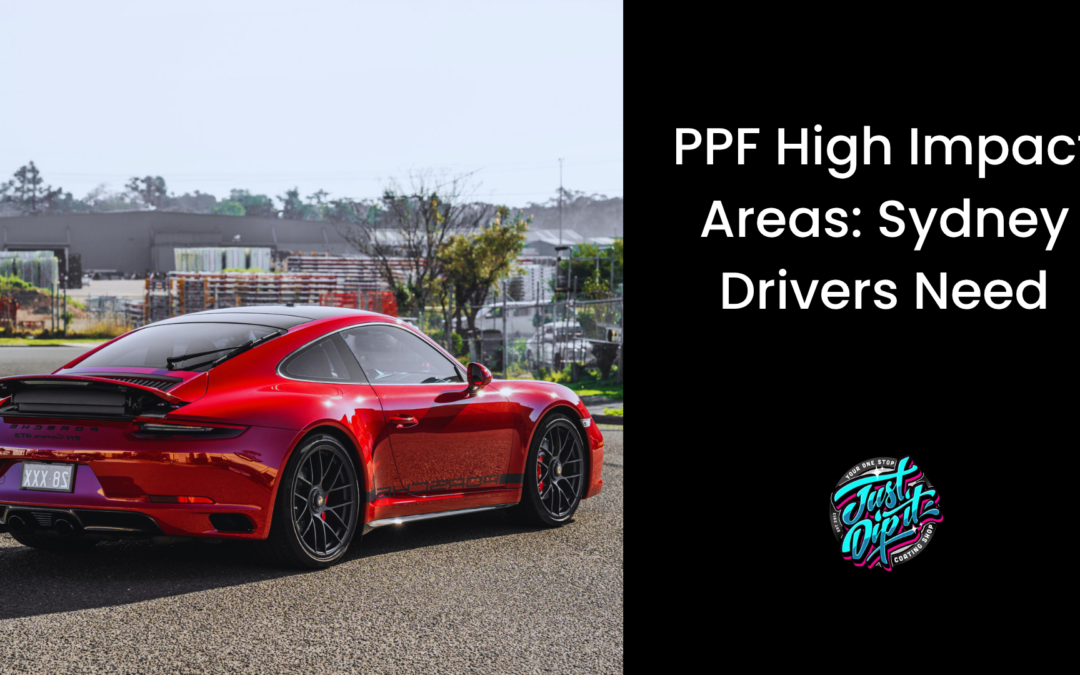
PPF High Impact Areas: Your Car Needs Protection First
PPF high impact areas are the parts of your car that take the most punishment before the rest of the paint starts looking tired. You might avoid bad parking spots, wash the car properly, and drive carefully, but Sydney roads still find the same weak points first. The front bumper cops debris. The bonnet wears the spray. Mirror chip. Lower doors scuff. Rear wheel zones take hits most owners only notice once the damage is already there.
Paint protection film gives you a smarter way to protect the clean finish before road rash, chips, scuffs, and daily driving wear start showing. Some drivers want a daily car that stays sharper for longer. Others want a prestige, exotic, or 4×4 build that holds its presence under real use. Either way, the best move is simple. Protect the areas that get hit first.
Quick Answer: Where Should PPF Be Installed On A Car?
PPF should be installed on the front bumper, bonnet, guards, mirrors, headlights, side skirts, lower doors, and rear wheel impact zones. These are the highest-risk areas for road debris, chips, scuffs, light scratches, tyre spray, and daily driving wear.
For most Sydney drivers, targeted PPF on these high-impact areas is the smartest starting point. Full vehicle PPF suits prestige, exotic, performance, or freshly corrected cars where maximum paint preservation matters.
Who This Helps
This guide helps Sydney drivers who want to protect their car before visible damage appears. It is especially useful for owners of prestige cars, exotic vehicles, performance builds, 4x4s, SUVs, utes, dark-coloured cars, and daily drivers exposed to motorway debris, rough roads, car park scuffs, and lower-body wear.
The problem is that most paint damage is predictable, but many owners react too late. By the time the front bumper looks sandblasted, the mirrors are chipped, or the lower doors are scuffed, the job has shifted from prevention to repair. Paint protection film helps protect clean paint before damage starts controlling the look of the vehicle.
What Are PPF High Impact Areas?
PPF high impact areas are the panels most likely to be damaged by road debris, tyre spray, gravel, bug marks, light scratches, and contact wear. These areas usually sit at the front, lower sides, and rear wheel sections of the car.
The main high-impact areas are the front bumper, bonnet, front guards, side mirrors, headlights, side skirts, lower doors, and rear wheel impact zones. These are the panels that should be considered first when planning car paint protection Sydney because they face the highest level of real-world exposure.
Why These Areas Get Damaged First
Paint damage follows airflow, road contact, and tyre movement. The front bumper and bonnet take debris from the road ahead. Mirrors and headlights sit directly in the impact path. Side skirts and lower doors collect splashback, shoes, bags, and car park marks. Rear wheel zones suffer because tyres throw debris backwards into the paint. That is why PPF should be mapped around the car’s real exposure points, not applied randomly.
Where Should PPF Be Installed First?
PPF should usually start with the front bumper and bonnet because they take the hardest impact from stone chips, bugs, road grime, and motorway spray. Once the front end is marked, the whole car can look older than it really is. Protecting the nose keeps the vehicle looking sharper from the angles people notice first.
The next priority should be guards, mirrors, headlights, side skirts, lower doors, and rear wheel impact zones. These areas may seem smaller, but they often age the car quickly. Chips on mirrors, scuffs on lower doors, and marks near the rear wheels create that worn look even when the rest of the paint is still clean.
Front Bumper And Bonnet
The front bumper and bonnet are usually the highest-priority PPF areas because they face road debris before most other panels. This matters even more for prestige and exotic vehicles because the front profile carries much of the car’s visual value. Protecting these panels early helps preserve the car’s clean finish, front-end presence, and long-term presentation.
Mirrors, Headlights And Guards
Mirrors, headlights, and guards take more impact than most owners expect. They sit in exposed positions and constantly deal with dust, insects, road film, tyre spray, and washing wear. PPF on these areas helps maintain finish consistency and prevents the annoying mismatch where the bumper and bonnet look clean, but the smaller details start showing chips.
Side Skirts, Lower Doors And Rear Wheel Zones
Side skirts, lower doors, and rear wheel impact zones are where daily use quietly damages the paint. Shoes, bags, road grit, loose gravel, and tyre spray all hit low paintwork. This is especially important for 4x4s, SUVs, utes, and wider vehicles. Protecting these lower sections stops the car from ageing from the bottom up.
Book a PPF consultation with Just Dip It and get a tailored protection plan for the panels your car needs protected most.
PPF Vs Ceramic Coating For High-Impact Areas
PPF and ceramic coating do different jobs. Paint protection film creates a physical barrier against chips, scuffs, light scratches, and road rash. Ceramic coating helps with gloss, slickness, easier washing, and resistance against dirt, grime, and contaminants.
For high-impact areas, PPF is the stronger first line of defence. Ceramic coating still has value, especially after paint correction, but it should not be expected to absorb the same punishment as film. The smartest protection plan often uses paint correction first, PPF on high-impact areas, then ceramic coating for gloss and easier maintenance.
When To Choose PPF
Choose PPF when the main risk is physical damage. This includes stone chips, road rash, bumper scuffs, mirror chips, door-edge contact, and lower panel wear. PPF is especially useful for cars driven on motorways, rougher Sydney roads, country routes, job sites, or areas with heavy road debris.
When To Choose Ceramic Coating
Choose ceramic coating when the main goal is gloss, easier cleaning, paint clarity, and resistance against contaminants. Ceramic coating is a strong maintenance layer, but it is not a replacement for PPF on impact zones. Put simply, ceramic helps the car stay cleaner. PPF helps the car stay less damaged.
How PPF Priorities Change By Vehicle Type
Not every car needs the same PPF coverage. A daily sedan, weekend exotic, and 4×4 all face different driving conditions. The right package should match vehicle use, panel exposure, finish value, and how much visible wear the owner is willing to tolerate.
Daily drivers usually benefit most from front-end and lower-body protection. Prestige and exotic vehicles often suit full front PPF or full body coverage. 4x4s, SUVs, and utes should give more attention to side skirts, lower doors, guards, flares, and rear wheel impact zones because these areas face more low-level damage.
Best For Daily Drivers
Daily drivers should prioritise the front bumper, bonnet, mirrors, headlights, side skirts, and lower doors. These areas face constant exposure from traffic, road debris, parking, and washing wear. PPF helps daily cars stay ahead of the slow damage that makes a vehicle feel older than it is.
Best For 4x4s And SUVs
4x4s and SUVs should consider front-end PPF, lower door protection, side skirts, guards, flares, and rear wheel impact zones. Bigger tyres, higher ride height, and mixed-road driving increase the chance of debris hitting lower panels. The protection plan should match how the vehicle is actually used, not just the badge.
Best For Prestige And Exotic Cars
Prestige and exotic cars should consider full front PPF at minimum. Full body coverage may also make sense for owners who want stronger long-term preservation. Small chips stand out faster on premium paint and complex panels, so protecting the finish early helps preserve the car’s stance, presentation, and ownership pride.
Why Sydney Drivers Should Protect Paint Before Damage Shows
The best time to install PPF is before visible damage appears. Paint protection film protects the surface underneath it. It does not reverse existing chips, deep scratches, or road rash. If the paint is already marked, paint correction or repair may be needed before film is installed.
Many owners wait until the damage is obvious. That delay turns a prevention job into a repair-and-protect job. The smarter move is to protect the high-impact areas while the finish still looks clean, sharp, and worth preserving.
The Original Insight Most Owners Miss
PPF is not just about protecting the biggest panels. It is about protecting the panels that visually age the car fastest. A perfect roof means little if the bumper, mirrors, lower doors, and rear wheel zones are already chipped. People notice contact points first. Protect those areas early, and the whole car holds its presence longer.
Common Questions About PPF High Impact Areas
Where should PPF be installed on a car?
PPF should be installed on the front bumper, bonnet, guards, mirrors, headlights, side skirts, lower doors, and rear wheel impact zones. These are the highest-risk areas for chips, scuffs, road rash, and daily driving wear.
Are PPF high impact areas enough?
PPF high impact areas are enough for many daily drivers who want targeted protection where damage is most likely. Full coverage is better for prestige, exotic, performance, or freshly corrected cars where preserving the entire finish matters more.
Is PPF better than ceramic coating?
PPF is better for physical impact protection. Ceramic coating is better for gloss, easier cleaning, and contaminant resistance. For best results, use PPF on impact zones and ceramic coating to support long-term maintenance.
Should paint correction be done before PPF?
Paint correction should be considered before PPF if the car has swirl marks, light scratches, dull paint, or visible defects. PPF protects what is underneath, so the surface should be refined before the film is installed.
Is PPF worth it for a new car?
PPF is often most valuable on a new car because the paint can be protected before visible damage starts. Installing film early helps reduce chips, scuffs, and road rash before they become permanent marks.
Protect The Areas That Get Hit First
PPF high-impact areas matter because paint damage rarely happens randomly. It starts where the car meets the road, airflow, debris, tyres, shoes, and daily use. The front bumper, bonnet, guards, mirrors, headlights, side skirts, lower doors, and rear wheel impact zones are the areas that deserve attention first.
For Sydney drivers who care about keeping their car clean, sharp, and premium, paint protection film is the smart protection move before damage takes control. Whether the vehicle is a daily, 4×4, prestige build, or exotic, the right PPF package protects the finish where it gets tested hardest.
About The Author
Just Dip It is a Sydney-based automotive customisation and vehicle protection workshop specialising in paint protection film, paint correction, ceramic coating, hydrographics, chrome deletes, 4×4 upgrades, and exotic vehicle customisation. The team helps passionate car owners protect the areas that get hit first, keep the finish cleaner for longer, and maintain a sharper vehicle presence under real driving conditions.
Book a PPF consultation with Just Dip It and get a tailored protection plan for the panels your car needs protected most.