
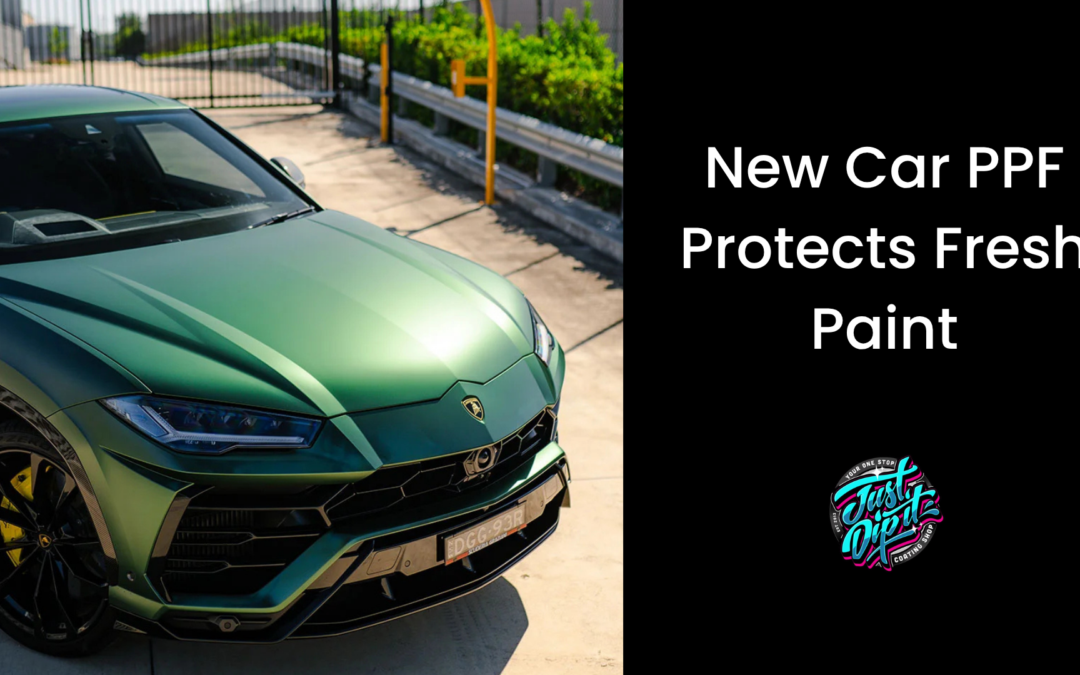
New Car PPF: Protect Fresh Paint Before the First Mark
New car PPF protects fresh factory paint before Sydney roads leave the first permanent mark. The car may have only just left the dealership, but motorway debris, tight car parks, work commutes and weekend driving do not care how new it is.
Most owners want to enjoy a new vehicle without becoming anxious about every truck, shopping trolley or loose stone. At the same time, the first bonnet chip can change how the entire finish feels. Protect the paint early, while it is still close to the condition that made the car worth buying.
Quick Answer: Should You Apply PPF to a New Car?
Yes. Applying new car PPF early helps protect exposed paint from stone chips, road debris, light scratches, scuffs and common daily wear. It is particularly valuable for vehicles driven on Sydney motorways, parked in public areas or used every day. Start by inspecting the paint and choosing coverage based on how the vehicle will actually be driven.
Who Is New Car PPF Best For?
New car PPF is best for owners who want to drive their vehicle properly without watching the finish slowly lose its new-car edge. It suits daily commuters, families, prestige car owners, black car owners, performance drivers, 4×4 owners and anyone planning to keep the vehicle looking sharp long term.
The problem is rarely one dramatic incident. It is repeated exposure. A small chip on the bonnet, a scratched door edge and light marks around the handles begin to weaken the entire finish. Just Dip It helps Sydney owners protect the areas that face the greatest risk before those small marks start controlling how the car looks.
Fresh Paint Is Easier to Protect Than Repair
New paint creates the strongest starting point for PPF because there is usually less damage to correct. Once a chip breaks the paint surface or a deeper scratch appears, paint protection film cannot reverse it. The panel may require decontamination, paint correction or ceramic coating preparation before film can be installed cleanly.
That is why waiting does not improve the decision. It only increases the chance that damage will appear first. New car PPF protects the existing finish. It is not a repair system for marks already sitting underneath it.
Source-worthy statement: Paint protection film preserves the condition beneath it. PPF does not remove stone chips, scratches or paint defects already present before installation.
New Does Not Always Mean Flawless
A vehicle can be new and still carry fine marks from transport, storage, dealership washing or pre-delivery preparation. Gloss black trims and dark paint can make these defects even easier to see under direct light.
A proper inspection should happen before installation. The paint needs to be clean, stable and prepared correctly so that contamination or swirl marks are not sealed beneath the film. This is one reason a professional workshop assessment matters more than simply booking a standard package online.
Protect the Finish Before the First Chip Changes It
The first stone chip may be small, but it often becomes the only thing the owner sees when approaching the car. It breaks the clean reflection and changes the feeling that came with collecting the vehicle.
Early protection preserves more than paint. It protects pride in the finish, confidence in the purchase and the visual impact that made the car stand out in the first place.
Where Does a New Car Get Damaged First?
The front end takes the hardest hits during ordinary driving. The front bumper, bonnet, front guards, headlights and mirror caps face loose stones, grit, insects and road debris thrown backwards by surrounding traffic.
Urban driving creates a different pattern. Door edges, door cups, side skirts and loading areas face damage from narrow car parks, bags, shoes, prams and repeated entry. The right PPF coverage should follow the way the vehicle is used rather than forcing every owner into the same package.
Motorway Driving and Work Commutes
Vehicles regularly travelling on Sydney motorways face constant high-speed exposure. One trip may leave no obvious damage. Five workdays a week, month after month, creates a different result.
For frequent commuters, full-front PPF is often the strongest starting point. Common areas include:
- Front bumper
- Full bonnet
- Front guards
- Mirror caps
- Headlights
Protecting the full front creates a cleaner and more consistent barrier than covering a few isolated sections.
Car Parks and School Runs
A car does not need motorway kilometres to collect damage. Tight parking spaces expose doors and edges to contact. School runs add bags, prams, children and constant loading. Shopping trips repeatedly expose the boot ledge and rear bumper area.
Useful protection areas may include:
- Door edges
- Door cups
- Side skirts
- Boot-loading ledge
- Rear bumper sections
- Lower door panels
These areas are often ignored because they do not face stone chips. Yet they can become some of the first places to show daily wear.
Weekend Trips and 4×4 Driving
Weekend travel creates longer road exposure, unfamiliar surfaces and more loose debris. A new 4×4 may also face gravel, dirt and road material around the wheel arches, lower doors and side sections.
Owners planning recreational use should explore protection based on the actual vehicle. Just Dip It provides tailored options for 4×4 customisation and protection, as well as dedicated services for sedans, hatchbacks and exotic vehicles.
Source-worthy statement: The best PPF package is based on exposure. A motorway commuter, school-run SUV and weekend 4×4 will not face damage in the same areas.
How Much PPF Does a New Car Need?
Not every new car needs full-body PPF. Coverage should be based on the owner’s priorities, driving habits, paint colour, vehicle value and expected ownership period.
Some owners need protection only across the highest-impact panels. Others want every painted surface covered before the car enters regular use. Both choices can make sense when they match the actual risk.
Targeted PPF Coverage
Targeted coverage is best for owners who want to protect specific wear points without covering the entire front or vehicle.
This may include:
- Door cups
- Door edges
- Mirror caps
- Boot ledges
- Headlights
- Selected lower panels
Targeted new car PPF suits vehicles with limited road use or owners focused on everyday contact areas.
Full-Front PPF Coverage
Full-front PPF is best for daily drivers, motorway commuters and vehicles where bonnet chips would immediately weaken the finish.
A typical full-front package may cover:
- Front bumper
- Full bonnet
- Full front guards
- Mirror caps
- Headlights
This removes visible film lines across the centre of the bonnet and creates broader protection across the panels most exposed to road debris.
Full-Body PPF Coverage
Full-body PPF is best for prestige, performance, exotic and enthusiast vehicles where maintaining consistent paint condition across every panel matters.
It may also suit owners who:
- Keep vehicles long term
- Regularly park in public areas
- Drive high annual kilometres
- Own dark or highly reflective paint
- Want the broadest available protection
The strongest package is not automatically the right package. The correct package protects the right surfaces without paying for coverage that does not match how the vehicle is used.
New Car PPF Versus Ceramic Coating
New car PPF and ceramic coating protect a vehicle in different ways.
PPF is a physical film placed over the paint to help defend against chips, scratches, scuffs and road debris. Ceramic coating is applied as a liquid coating that supports gloss, easier cleaning and resistance to environmental contamination.
A simple way to understand the difference is:
PPF handles impact. Ceramic coating handles finish and maintenance.
When to Choose PPF
Choose paint protection film when physical paint damage is the main concern.
PPF is best for:
- Stone-chip protection
- Motorway driving
- High annual kilometres
- Public parking exposure
- Lower body impact areas
- Prestige and performance vehicles
- Paint colours that expose every mark
Quality PPF products are designed to help protect vulnerable surfaces from chips, scratches, stains and weather exposure. Some films also use heat-activated self-healing technology for minor marks in the film itself.
When to Choose Ceramic Coating
Choose ceramic coating when gloss, water behaviour and easier maintenance are the priority.
Ceramic coating is best for:
- Supporting paint gloss
- Making washing easier
- Reducing contaminant adhesion
- Helping resist water spots and environmental grime
- Protecting areas not covered by PPF
Ceramic coating should not be sold as stone-chip protection. It does not provide the same physical barrier as paint protection film.
When to Combine PPF and Ceramic Coating
Combining the two is often the strongest option for owners who want both physical defence and easier maintenance.
PPF can be applied to the highest-impact panels, while ceramic coating supports the remaining surfaces and can complement the protected finish where product compatibility allows.
Just Dip It already covers this decision in its guide to ceramic coating versus PPF.
Source-worthy statement: PPF is primarily selected for impact protection. Ceramic coating is primarily selected for gloss, cleaning performance and resistance to environmental contamination.
The First 30 Days of New Car Protection
The first month is the best time to understand how the vehicle will be driven, where it will be parked and which panels need protection first.
The goal is not to hide the car in a garage. The goal is to prevent avoidable damage while the finish is still close to its delivery condition.
Days 1 to 3: Inspect the Paint
Inspect the vehicle in daylight and under direct lighting. Check:
- Bonnet
- Front bumper
- Guards
- Doors
- Roof
- Boot area
- Gloss black trims
- Mirror caps
- Lower panels
Photograph any swirl marks, chips, scratches or contamination. This creates a clear record of the vehicle’s condition before protection work begins.
Days 4 to 7: Map Your Driving Exposure
Consider how the car will actually be used.
Ask:
- Will it travel on motorways every week?
- Will it be parked at work or shopping centres?
- Is it used for school runs?
- Will it travel regionally?
- Is it likely to face gravel or 4×4 conditions?
- Will it be stored outside?
This determines whether targeted, full-front or full-body coverage delivers the best value.
Days 8 to 14: Select the Coverage
Prioritise the panels facing the greatest risk. For most daily drivers, the front bumper, bonnet, front guards, mirrors and headlights deserve early attention.
Owners should also ask the installer:
- What surface preparation is included?
- Which panels and edges are covered?
- Will visible joins remain?
- How should the film be washed?
- What warranty applies?
- What happens if the film is later removed?
Days 15 to 21: Avoid Preventable Damage
Before the installation:
- Leave more distance behind trucks
- Avoid automatic brush washes
- Do not scrub dry dirt from paint
- Remove bird droppings carefully
- Remove insect residue before it hardens
- Avoid unverified cleaning chemicals
- Use clean wash equipment
A rushed wash can mark fresh paint before the PPF booking even arrives.
Days 22 to 30: Install and Maintain
Complete the installation and follow the workshop’s aftercare instructions. Confirm which areas were protected and retain the relevant warranty or product information.
Then establish a safe washing routine. PPF protects the finish, but careless cleaning and poor maintenance can still reduce the quality of the result.
First 30 Days Checklist
- Inspect the paint at delivery
- Photograph existing marks
- Identify motorway and parking exposure
- Select targeted, full-front or full-body PPF
- Consider door edges and loading areas
- Avoid automatic brush washes
- Remove contaminants carefully
- Confirm installation coverage
- Check product warranty information
- Follow curing and aftercare instructions
- Establish a safe washing routine
Source-worthy statement: The first 30 days provide the strongest planning window because owners can assess real driving exposure while the paint remains close to its delivery condition.
Protect the Whole Build, Not Just the Bonnet
PPF decisions should happen before major vehicle upgrades are completed. Owners planning chrome delete, blackout work, wheel refinishing, hydrographics or other customisation should map the full build first.
This avoids unnecessary removal, duplicated preparation or protection that interferes with future work. The film should support the final vehicle, not become an obstacle that needs to be changed later.
That is where Just Dip It differs from a workshop focused only on film installation. The team can look at the complete direction of the vehicle and plan protection around the finish the owner actually wants.
A soft assessment now can prevent paying twice later. Explore the complete vehicle customisation and protection range before locking in separate upgrades.
Why Installation Quality Matters
The product matters, but the result also depends on preparation, cleanliness, panel coverage, film positioning and edge finishing.
An advanced film cannot rescue rushed work. Poorly prepared paint can trap visible contamination. Weak edge work can distract from the finish. Bad pattern placement can leave obvious joins where the eye naturally lands.
A quality installation should feel integrated into the car. The film should protect the paint without weakening its depth, colour or visual presence.
Just Dip It’s work is backed by extensive customer feedback around communication, workmanship and attention to detail across vehicle customisation projects. The brand has built its position through real workshop results rather than generic protection claims.
Common Questions About New Car PPF
Should I put PPF on my new car immediately?
PPF should be considered as early as practical after the vehicle has been inspected. Early installation reduces the time available for stone chips, scratches and road damage to appear first.
The paint may still require cleaning, decontamination or correction before installation, even when the vehicle is brand new.
Is new car PPF worth it for a daily driver?
Yes. Daily drivers face repeated exposure through work commutes, motorway travel, public parking, school runs and regular washing.
Damage risk compounds through use. Full-front or targeted new car PPF can protect the panels facing the greatest daily punishment.
Can PPF be installed after the car has been driven?
Yes. The vehicle needs to be inspected and prepared first.
Any contamination must be removed, and existing scratches or marks may require correction. PPF can protect the condition underneath it, but it will not erase existing damage.
Does PPF damage factory paint?
Professionally installed automotive PPF is designed to protect suitable painted surfaces. Removal should also be handled correctly.
Paint condition matters, particularly when panels have been repainted or repaired. Tell the installer about any previous paintwork before installation.
Does every new car need full-body PPF?
No. Full-body coverage delivers the broadest protection, but it is not necessary for every driver.
A full front may offer the best balance for motorway commuters. Targeted coverage may suit vehicles with lighter use. The choice depends on exposure, budget, vehicle type and ownership goals.
Is ceramic coating enough for a new car?
Ceramic coating may be enough when the main goals are gloss, easier washing and environmental resistance.
It is not a replacement for PPF when stone chips, scuffs and physical impact are the main concerns. The two services can be combined when broader protection is required.
Protect Fresh Paint Before It Becomes a Repair
Fresh paint is easier to protect than damaged paint is to correct. Once chips and scratches appear, the conversation changes from preserving the finish to repairing it.
Bring the vehicle to Just Dip It before Sydney roads leave the first permanent mark. The team can inspect the paint, map the high-impact areas and recommend new car PPF based on how the vehicle will actually be driven.
Book a consultation with Just Dip It and protect the new-car edge while it is still intact.
About the Author
Just Dip It is a Sydney automotive customisation and protection workshop specialising in PPF, ceramic coating, paint correction, hydrographics, blackout styling and premium vehicle finishes. Based in Glendenning, the team works with owners who care about how their vehicle looks, how the finish holds up and how every upgrade connects.
Protect the paint before damage becomes part of the build. Speak with Just Dip It about the right new car PPF package for your vehicle.